Franziska Schmitt , Ramon Weishaupt, Philipp KM Katumba, Dominic Vogt, Nadin Meyer, Michael Feld, Juliane Hellhammer
Journal of Nutritional Dietary Supplements
Purpose: Insufficient sleep is common and under-reported, linked to increased health risks. Many individuals seek alternatives to conventional medications, which often have adverse side effects.
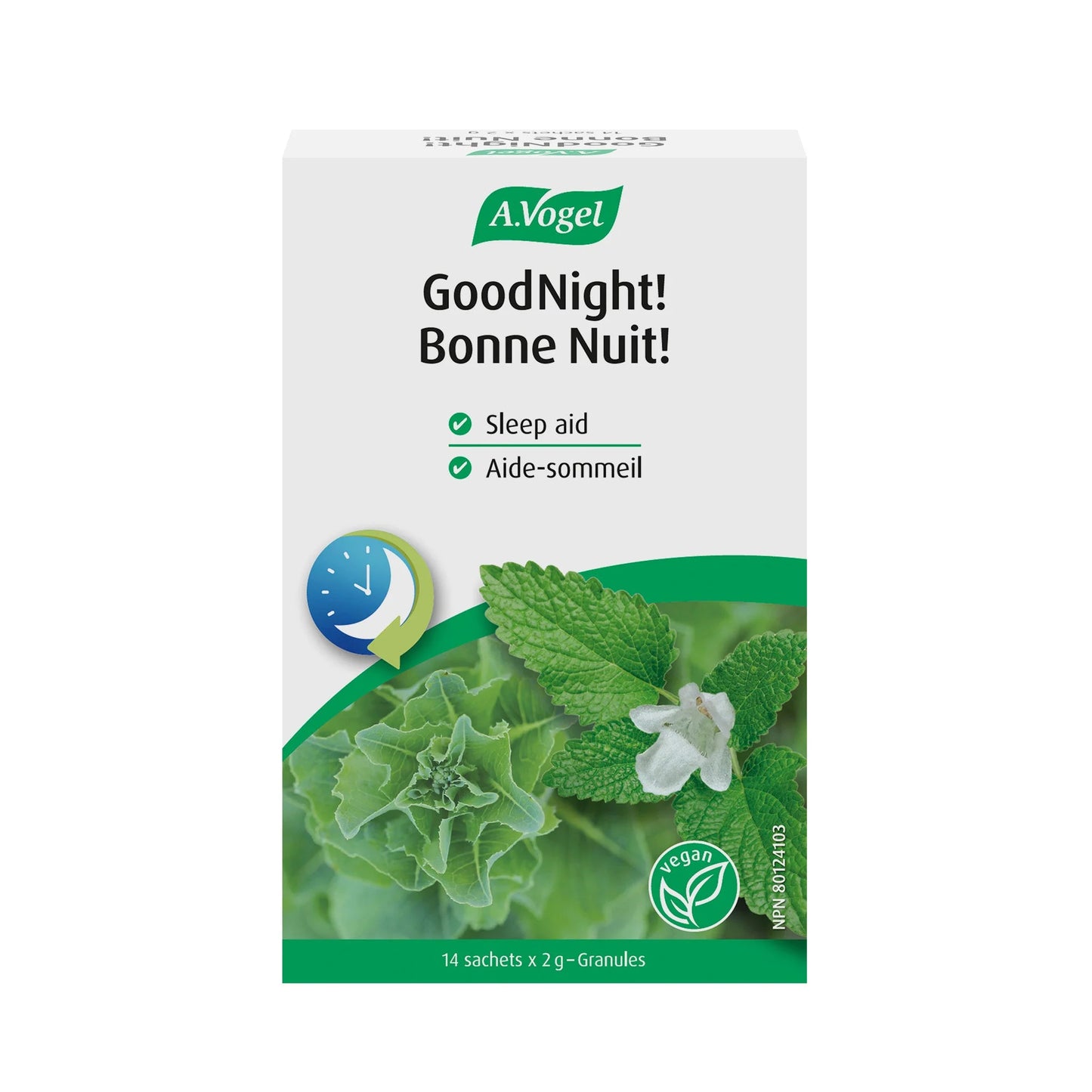
Patients and Methods: This monocentric, single-arm, open-label exploratory study (Reg. No: NCT05748574) evaluated a granulate formulation containing 75 mg extract of the fresh herb of Lactuca sativa, 190 mg Melissa officinalis,120 mg L-Tryptophan, and 60 mg Magnesium in healthy adults with sleep disturbances. Conducted in Germany in 2023, 50 subjects consumed the formula nightly for 14 days. Outcomes were assessed via diaries, questionnaires, cognitive tests, wearables, saliva samples, and polysomnography (PSG) in a 10-subject subgroup. Statistical analysis compared pre- and post-treatment differences.
Results: Nightly awakenings reduced by 31% (p < 0.001) and early morning awakenings by 16% (p < 0.001). PSG data indicated a 28% increase in deep sleep (N3&N4, p > 0.05), a 70% rise in stage N4 (p = 0.042) and an 18% reduction in REM sleep (p > 0.05). The Apnea-Hypopnea index decreased by 26% (p = 0.11). Sleep quality (“Sleep questionnaire” SF-B/R index, primary outcome) improved by 14% (p = 0.003), with a 37% improvement in highly anxious individuals (p ≤ 0.001). Restedness increased by 22% in week 1 and 28% in week 2 (p ≤ 0.001). Psychological tension dropped by 21% and up to 29% (p ≤ 0.001). Daytime performance indicators included a 13% reduction in sleepiness and a 23% improvement in mood (p ≤ 0.014). Executive function showed a 13% improvement (p ≤ 0.001) on computerized tests (COMPASS). Findings from wearables, sleep quantity, and salivary biomarkers yielded an inconsistent picture. Adherence was high, with no serious adverse events reported.
Conclusion: The formulation was associated with observed improvements in subjective sleep quality—particularly among anxious individuals—as well as well-being and daytime function. Further confirmation through randomized placebo-controlled studies is warranted to further prove causality.