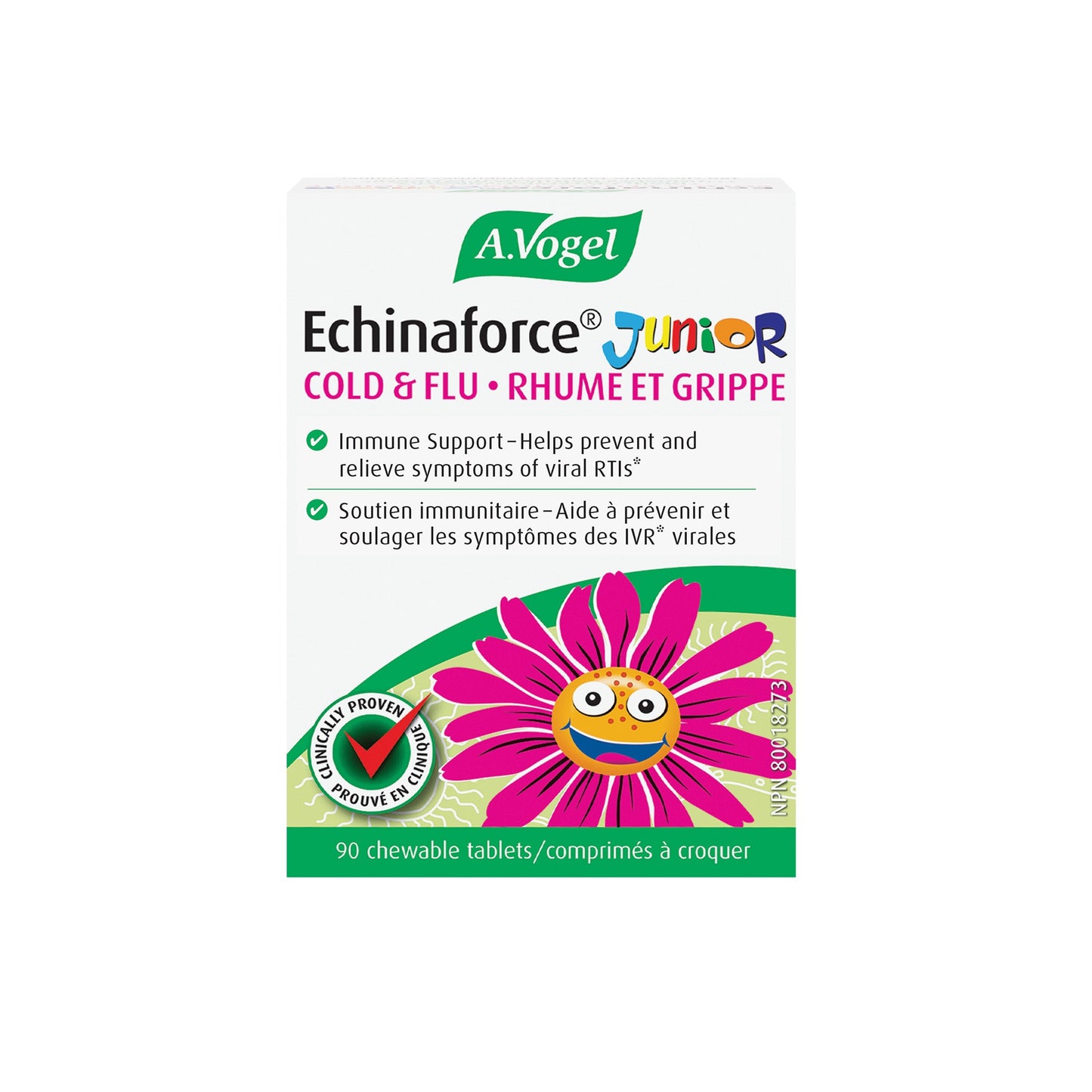

Echinaforce Junior: Fortifying Children’s Defense Against Respiratory Illness
Share
At the heart of family health is the well-being of children, especially when considering their attendance in communal environments like preschool or daycare that often act as breeding grounds for infections. Echinaforce Junior emerges not only as a shield for children against respiratory tract infections (RTIs) but also as a sentinel for the family’s collective health.
This study reviews the impact of Echinaforce Junior, our specific extract of Echinacea purpurea, on reducing the prevalence and duration of RTIs among children. Furthermore, it underscores the consequential benefits experienced by the family unit, stemming from the reduced propagation of illness originating from the child.
Introduction
A more recent study becomes the backdrop of our investigation into the efficacy of Echinacea in preempting RTIs in children aged 4-12 years. Through a randomized, controlled, and blinded clinical study, Echinaforce Junior’s outcomes were compared against those of vitamin C supplementation, painting a telling picture of its potential in minimizing RTI occurrences and as a result, antibiotic resilience.
Methodology
- Study Design: Randomized, controlled, blinded
- Participants: Children aged 4-12 years
- Comparison: Echinaforce® Junior vs. Vitamin C
- Dosage Schedule: Three times daily over two 2-month periods, with a 1-week interval
Results
- Reduction in RTIs: The Echinacea group experienced fewer cold days (429 vs. 602 days, p<0.001) highlighting a significant reduction in infection duration.
- Reduced Antibiotic Use: A sharp decline of 76.3% in antibiotic prescriptions (p<0.001) emphasizes Echinacea’s role in averting bacterial complications following viral attacks.
- Prevention of Complications: The incidence of RTI complications was lowered by 65% (p=0.003), reinforcing Echinacea's protective quality.
- Safety Profile: Comparable adverse events to the control group indicate a high tolerance for Echinacea in paediatric use.
Consider the Family Impact
While not a clinical outcome, we like to imagine the ripple effects set off by the child’s illness being significantly dampened when Echinaforce Junior was employed:
Decreased Absenteeism: With children facing fewer infection days, there would be less disruption to their education and routine, alleviating parental stress related to organizing childcare or missing work.
Containment of Illness: Illness containment within the original host (the child) means the entire household experiences a drop in infection rates, translating to improved overall health and decreased infection-related costs.
Minimized Healthcare Encounters: There would be a reduced need for medical interventions due to infections, leading to lower healthcare expenditures and a tangible decrease in time associated with caring for a sick child.
Family Health Dynamics Before and After Echinaforce Junior
| Health Aspect | Before | After |
| Child Sick Days | High | Reduced |
| Antibiotics Prescriptions | Frequent | Significantly Lowered |
| Parental Time Off Work | Common | Decreased |
| Spread of Illness | Regular | Markedly Reduced |
| Overall Family Health Disruption | Considerable | Noticeably Diminished |
Discussion
Echinaforce Junior serves as more than just a protective measure for children; it is a strategic choice for the entire family unit. This study punctuates the extract’s role in mitigating RTIs and subverts the usual domino effect of infection spread that is typically triggered by paediatric illness.
As healthcare providers, we invite you to consider the adoption of Echinaforce Junior into your preventative health measures for children, reaping the benefits of a natural line of defense against the seasonal infections that typically compromise family health.