
Rising Threats Across the Nation : Battling RTIs with Echinacea and a One-Health Approach
Share
From surging cases of whooping cough and walking pneumonia to worrisome developments in avian influenza, respiratory tract infections (RTIs) are making headlines across Canada.
As healthcare providers, the challenges these outbreaks pose go beyond managing symptoms—there’s a growing concern about antimicrobial resistance (AMR), access to preventive care, and how these issues intertwine with human, animal, and environmental health.
As of the time of publication, Canada has recently reported:
- Whooping Cough Resurgence: A spike in Bordetella pertussis cases, with over 19,000 reported in 2024, far exceeding typical annual averages. This resurgence highlights gaps in health coverage and the cyclical nature of pertussis outbreaks.
- Walking Pneumonia Trends: A rise in Mycoplasma pneumoniae infections, particularly among children and teens, creating additional pressure on pediatric care facilities.
- Avian Influenza Concerns: Mutations in the H5N1 virus are increasing its potential to infect humans, as seen in a recent case involving a teen in British Columbia. The case underscores the need for vigilance and advanced treatment protocols.
These events underscore the urgent need for an integrative, multidisciplinary approach to healthcare—one that bridges human medicine, veterinary science, and environmental stewardship.
A One-Health Approach to RTI Management
The One-Health framework, championed globally by the World Health Organization, emphasizes the interconnectedness of human, animal, and environmental health. Canada’s adoption of this approach is reflected in the Pan-Canadian Action Plan on Antimicrobial Resistance, which highlights how reducing antibiotic misuse in RTIs can alleviate the AMR crisis.
Key components of the One-Health strategy include:
- Strengthening Surveillance: Monitoring zoonotic diseases like avian flu to predict and mitigate outbreaks.
- Integrating Preventive Measures: Expanding vaccination programs for conditions like RSV and pertussis to vulnerable populations.
- Promoting Natural Interventions: Encouraging the use of evidence-based options like Echinacea to reduce antibiotic reliance and improve patient outcomes.
By viewing health through this holistic lens, healthcare providers can address RTIs while mitigating broader public health threats.
Echinacea: An Ally in RTI Prevention
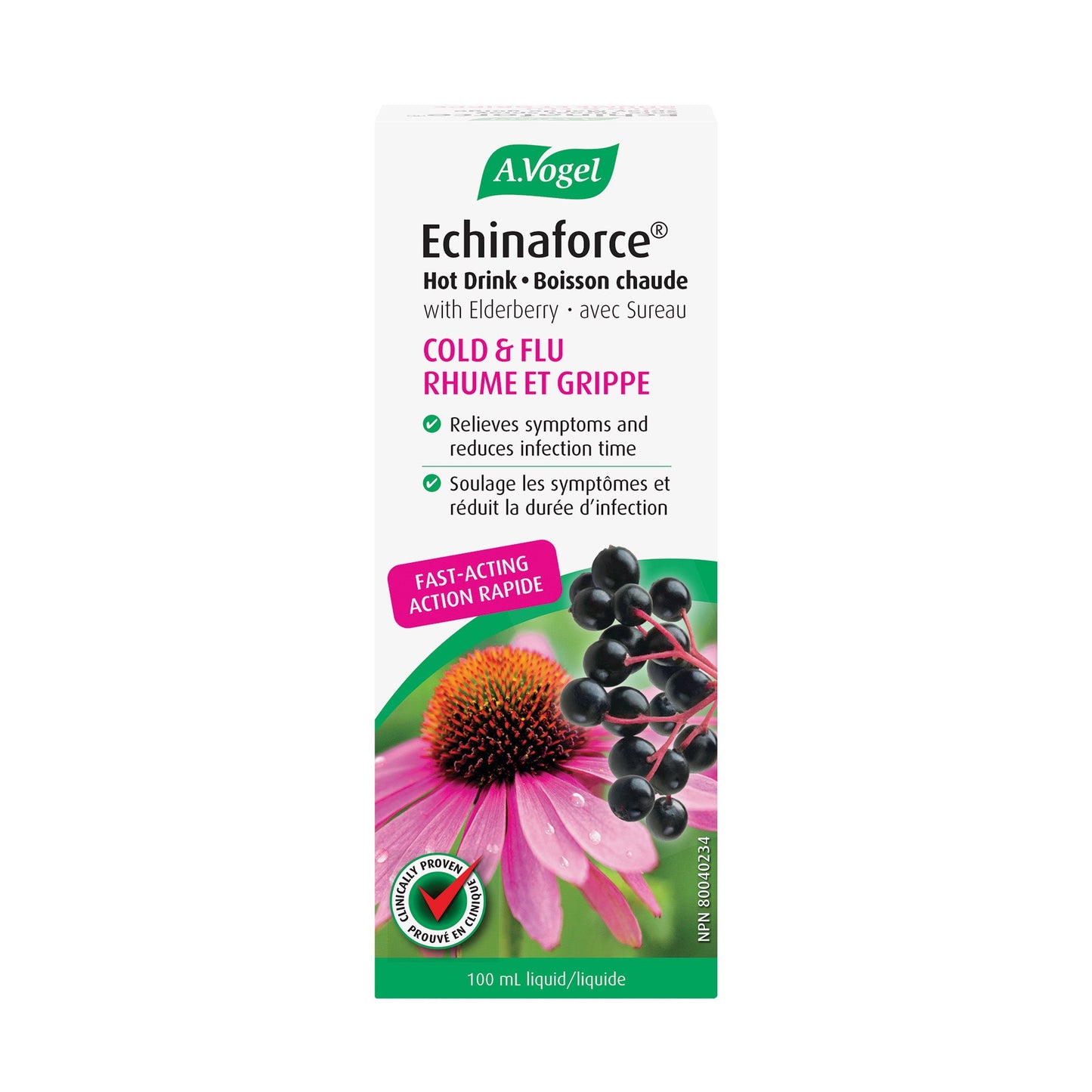
While addressing systemic challenges, integrating pharmaceutical-grade options like Echinaforce into clinical practice can complement the One-Health approach. The ERA-PRIMA meta-analysis highlights Echinacea’s significant role in RTI prevention and management:
- 32% Reduction in RTI Incidence: Proven effective in minimizing
- infections across diverse populations.
- 70% Fewer Antibiotic Therapy Days: Supporting antimicrobial stewardship efforts by reducing dependence on prescription antibiotics.
By reducing complications and enhancing patient resilience, Echinacea helps healthcare providers manage RTIs effectively while contributing to a larger AMR strategy in Canada.
Call to Action: Empowering Canadian Healthcare Providers
As headlines reveal, the RTI landscape is rapidly evolving. Healthcare providers are uniquely positioned to lead the charge against these challenges by:
- Embracing the One-Health framework in everyday practice.
- Staying informed about emerging outbreaks and preventive measures.
- Incorporating evidence-based solutions like Echinaforce to reduce the burden of RTIs on patients and the healthcare system.
Together, we can tackle RTIs with innovative, integrative approaches that prioritize long-term health for individuals, communities, and the planet.