
Science Spotlight: Echinacea's Role in Reducing Antibiotic Use for Respiratory Infections
Share
Recent research, as explored in one of the largest phytomedicinal studies to date, Echinacea Reduces Antibiotics by Preventing Respiratory Infections: A Meta-Analysis (ERA-PRIMA), offers significant insights into the potential of Echinacea in managing respiratory tract infections (RTIs) and reducing antibiotic use.
RTIs are among the leading causes of antibiotic prescriptions globally, primarily due to the risk of secondary bacterial infections. This systematic review and meta-analysis synthesized data from 30 clinical trials involving 5,652 participants, evaluating Echinacea's efficacy in preventing and treating RTIs and the consequent reduction in antibiotic prescriptions.
Key Findings:
- Reduction in RTI Incidence: Echinacea supplementation was associated with a significant decrease in the monthly occurrence of RTIs, with a risk ratio (RR) of 0.68, indicating a 32% reduction in RTI occurrences among subjects taking Echinacea compared to controls.
- Decrease in Recurrent Infections: The use of Echinacea also led to a reduction in the risk of recurrent infections, with a RR of 0.60.
- Reduction in RTI Complications: There was a notable decrease in RTI-related complications, such as pneumonia and bronchitis, with Echinacea treatment showing a RR of 0.44, suggesting a 56% reduction in complications.
- Impact on Antibiotic Use: Crucially, Echinacea intake was linked with a substantial reduction in antibiotic prescriptions, with a 40% decrease in the number of participants needing antibiotic therapy and a 70% reduction in total antibiotic therapy days.
Mechanisms of Action: The beneficial effects of Echinacea are attributed to its immune-modulatory and anti-inflammatory properties, which enhance the body’s antiviral defenses. Alcoholic extracts from freshly harvested Echinacea purpurea have been identified as particularly potent, due to higher concentrations of active phytochemicals.
Safety Profile: Echinacea was well-tolerated among participants, with adverse events comparable to those observed with placebo treatments. The analysis confirms the safety of Echinacea, particularly when used as a preventive measure against RTIs.
Clinical Implications: The findings from this meta-analysis suggest that Echinacea could serve as a valuable tool in the arsenal against RTIs, especially in the context of antibiotic stewardship. By reducing the incidence and severity of RTIs, Echinacea not only minimizes the clinical burden of these conditions but also plays a crucial role in combating antibiotic resistance.
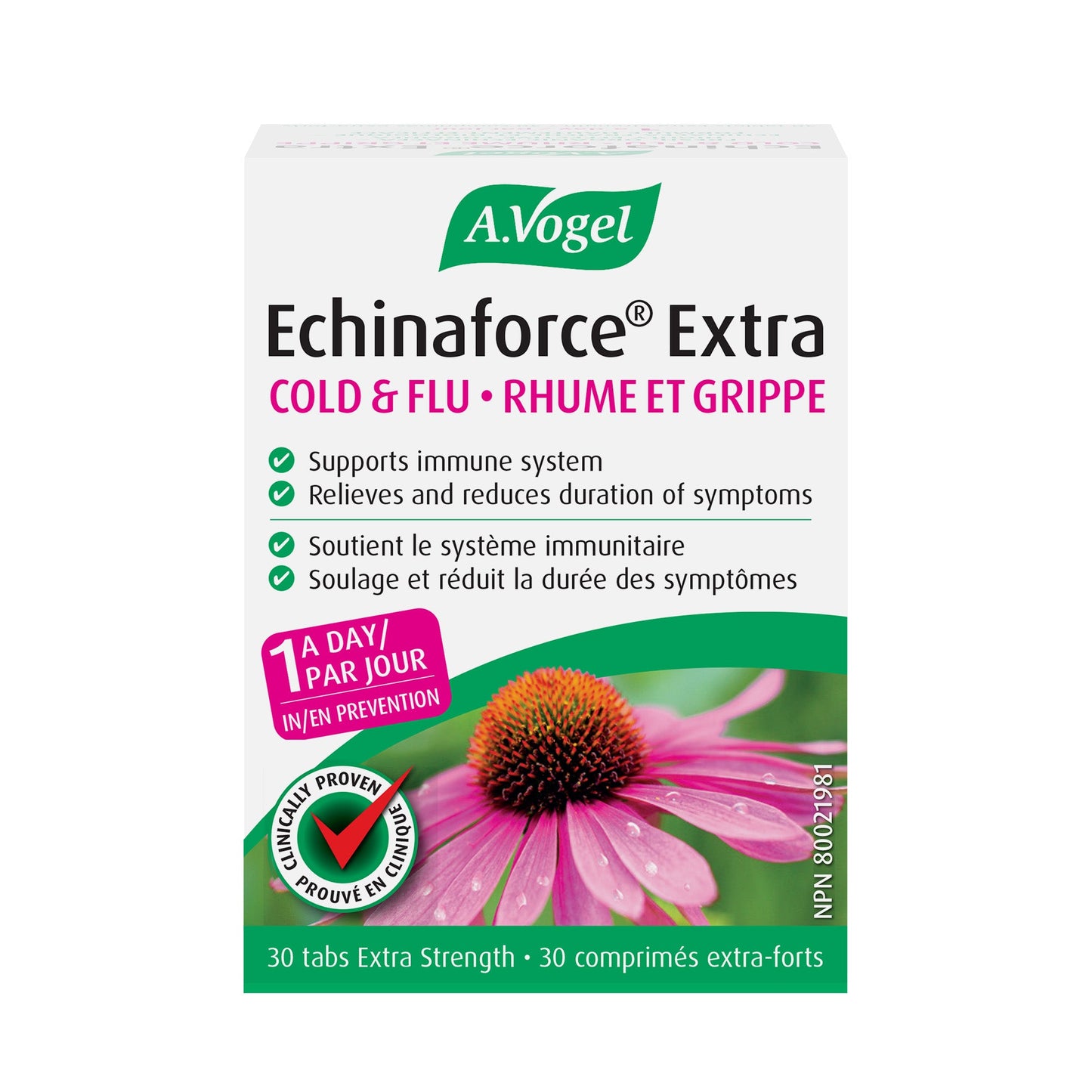
Recommendations for Healthcare Providers: Healthcare professionals should consider the potential of Echinacea both prophylactically and in the treatment of RTIs. It is essential to choose the right Echinacea preparations like Echinaforce, to maximize efficacy and safety.
This meta-analysis underscores the use of Echinacea as an effective, safe alternative to reduce the dependency on antibiotics for managing respiratory infections, with significant implications for both patient health and the broader public health challenge of antibiotic resistance.