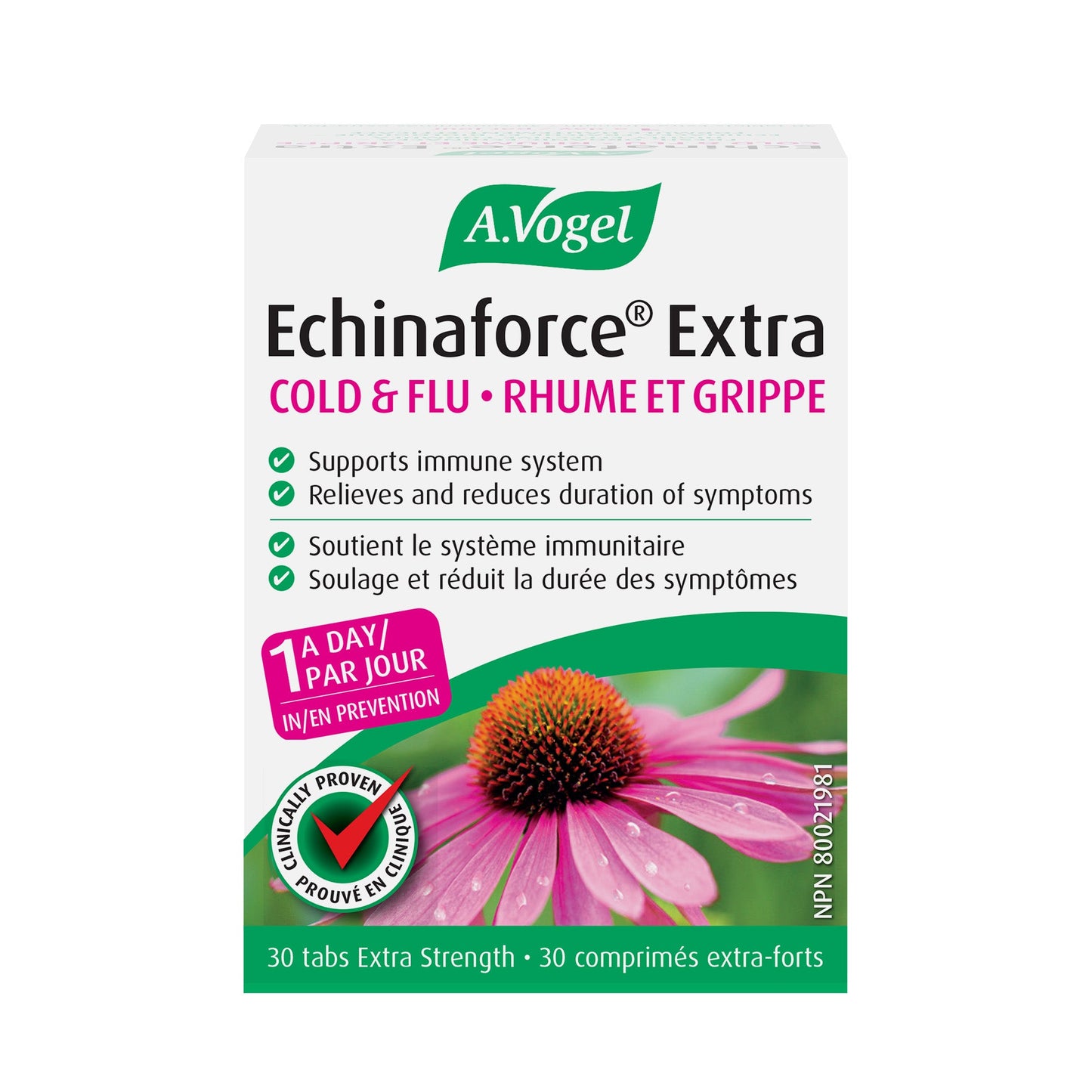

Echinacea And RTIs: Proven Dual Action Against Bacterial Complications
Share
Respiratory tract infections (RTIs) remain one of the leading drivers of antibiotic prescriptions globally. Despite >90% of RTIs being viral in origin, bacterial superinfections such as otitis media, sinusitis, and pneumonia, complicate a significant proportion of cases, particularly in children. In Canada and internationally, concern continues to mount around antimicrobial resistance (AMR) and the role of inappropriate antibiotic use in accelerating this threat. Recent research has shed light on the mechanistic pathways driving viral–bacterial interactions in pediatric airway tissue, and how targeted phytotherapeutics, such as Echinaforce, may mitigate downstream complications.
The Pathophysiological Landscape
Respiratory viruses such as RSV and parainfluenza have a unique capacity to upregulate bacterial adhesion receptors—including platelet-activating factor receptor (PAFr), intercellular adhesion molecule-1 (ICAM-1), and CEACAM-1—on airway epithelial cells. This receptor modulation facilitates binding of Streptococcus pneumoniae and Haemophilus influenzae, promoting biofilm formation and heightening the risk of secondary infections.1
In contrast, rhinoviruses, while capable of inducing inflammation, tend to trigger less receptor dysregulation, explaining their comparatively lower association with invasive bacterial sequelae.
This nuanced understanding reinforces the need for virus-specific strategies in preventing complications, particularly in pediatric patients where immune immaturity and frequent exposures heighten vulnerability.
New Mechanistic Evidence for Echinacea
A landmark study published in Frontiers in Pharmacology (May 2025) provided the first ex vivo pediatric airway model evidence that Echinacea purpurea extract (Echinaforce®) selectively downregulates virus-induced receptor overexpression, thereby significantly reducing bacterial adhesion and biofilm-like formation.2
Key findings included:
- RSV infection increased S. pneumoniae adhesion nearly 9-fold; treatment with Echinacea reversed this by 73–80%.
- H. influenzae binding increased more than 3-fold under viral stimulation; Echinacea reduced this by up to 71%.
- Importantly, Echinacea did not disrupt normal baseline bacterial colonization, suggesting selective action under pathogenic conditions.
These results align with clinical meta-analyses involving over 5,600 participants, where Echinacea reduced viral RTIs by ~32%, secondary bacterial complications by up to 56%, and antibiotic use by as much as 71%, with the strongest effects observed in pediatric populations.3
Clinical Relevance in the Current Landscape
From a Canadian context, antibiotic stewardship remains a national priority, with AMR increasingly recognized as both a healthcare and economic burden.4,5 Recent surveillance reports highlight rising resistance among S. pneumoniae strains, including to beta-lactams, underscoring the urgency of preventive strategies.
For healthcare providers, the implications of this research are twofold:
- Mechanistic justification: Echinacea restores bacterial homeostasis by regulating viral receptor pathways.
- Therapeutic positioning: Its role may be most impactful in pediatrics, where RTIs drive >60% of visits and >70% of antibiotic prescriptions.
References:
1. 1. Asma, Syeda Tasmia, et al. "An overview of biofilm formation–combating strategies and mechanisms of action of antibiofilm agents." Life 12.8 (2022): 1110.
2. 2. Vimalanathan, Selvarani, et al. "Respiratory virus-induced bacterial dysregulation in pediatric airway tissue and the dual actions of Echinacea in reducing complications." Frontiers in Pharmacology 16 (2025): 1579551.
3. 3. Gancitano, Giuseppe, et al. "Echinacea reduces antibiotics by preventing respiratory infections: A Meta-Analysis (ERA-PRIMA)." Antibiotics 13.4 (2024): 364.
4. 4. Otto, Simon JG, et al. "Integrated surveillance of antimicrobial resistance and antimicrobial use: evaluation of the status in Canada (2014–2019)." Canadian Journal of Public Health 113.1 (2022): 11-22.
5. 5. Canadian Nosocomial Infection Surveillance Program. "Healthcare-associated infections and antimicrobial resistance in Canadian acute care hospitals, 2018–2022." Canada Communicable Disease Report 50.6 (2024): 179.